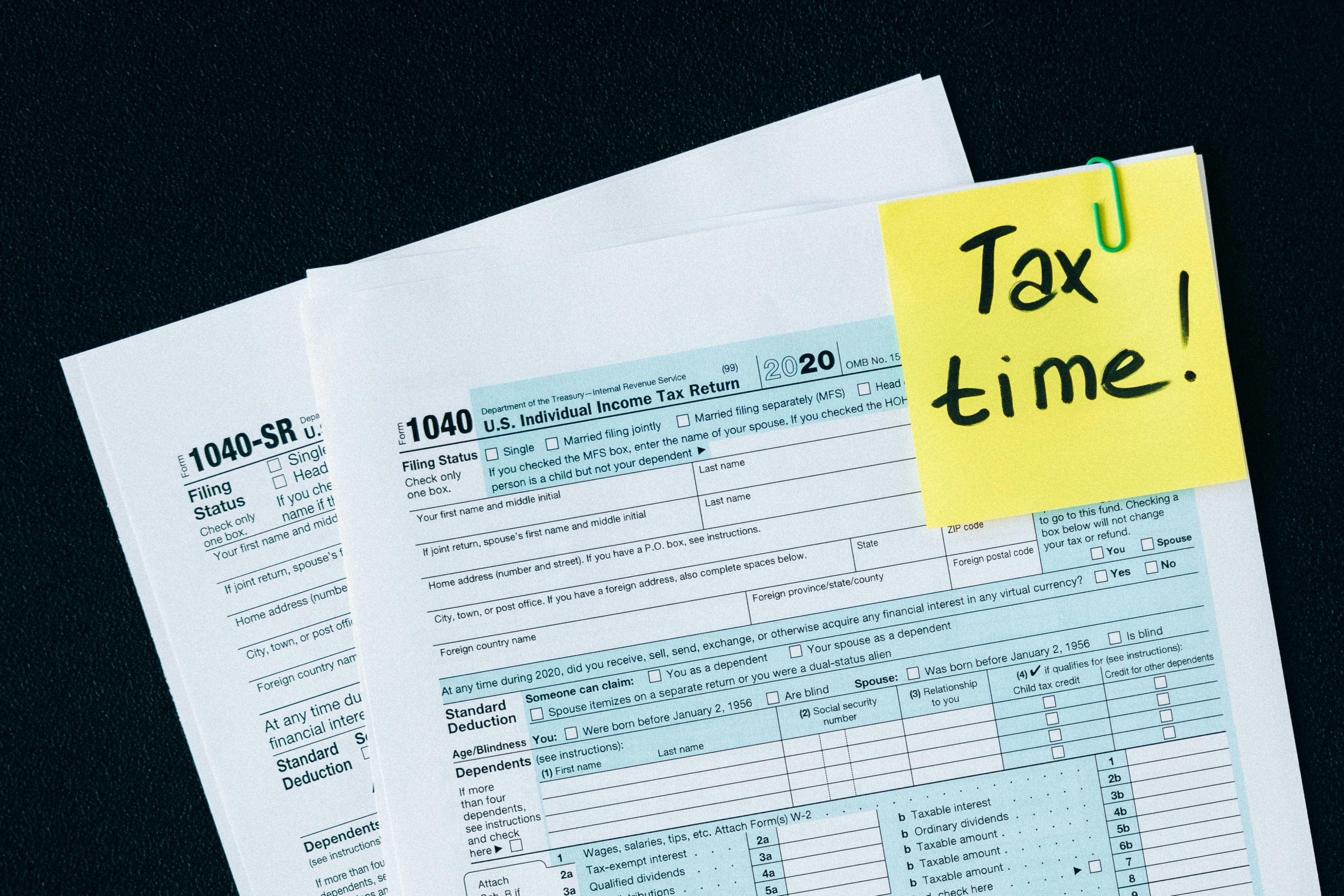
If you’re diving into the world of online surveys to earn some extra cash, you might be wondering how your earnings affect your tax obligations. It’s a common question, and one that’s often overlooked in the excitement of making money online. So, let’s break it down. What Is the tax threshold for survey earnings, and what do you need to know to stay compliant while maximizing your profits worth it?
Surveys are often the first step because they’re straightforward, but over time most people notice the limits imposed by invites, quotas, and flat rewards.
If you want to understand what people typically transition to after that stage, it’s explained here → See how it works.
Survey Earnings Tax Threshold: What You Earn and Why It Varies

Understanding Taxable Earnings from Surveys
First things first: not all survey earnings are created equal. In many countries, including the United States, any income you earn is technically taxable, even if it comes from a side hustle like completing surveys. The key is knowing when you need to report that income.
In the U.S., if you earn more than $600 from a single company in a calendar year, that company is required to issue you a 1099 form. This form reports your earnings to the IRS, which means you need to include this income when you file your tax return. But what if you earn less than that? Technically, you still need to report it, but you won’t receive a 1099, which can make tracking it a bit trickier.
Tax Thresholds You Should Know
The IRS doesn’t have a specific tax threshold for survey earnings; rather, it’s all about the total income you report. However, understanding the general taxable income threshold is crucial. For the 2023 tax year, if your total income (including survey earnings) is above the standard deduction (around $13,850 for single filers), you are required to file a tax return.
So, if you’re just making a few bucks here and there, you might be below that threshold. But if you’re hustling and pulling in more than a couple of hundred dollars across various survey platforms, you definitely need to pay attention to how much you’re making.
Keeping Track of Your Earnings
To avoid any nasty surprises come tax time, keeping a meticulous record of your earnings is essential. Here’s how you can do it:
- Use a spreadsheet: Create a simple spreadsheet to log each survey you complete, the amount earned, and the date. This will make it easy to total your income at the end of the year.
- Save emails and confirmations: Many survey sites send out confirmation emails or statements. Save these for your records, as they can serve as proof of income.
- Check your payment method: If you’re getting paid through PayPal or another payment platform, keep track of those transactions. They can help you verify your earnings if needed.
Paying Taxes on Your Survey Earnings
When it comes to actually paying taxes on your survey earnings, the process isn’t much different from any other income. If you earn above the threshold and need to file a return, you’ll report your income on Schedule C (Profit or Loss from Business) if you’re considered self-employed. Here’s what to keep in mind:
- Estimate your taxes: If you’re earning regularly, consider setting aside a portion of each payout for taxes. A good rule of thumb is to save about 25-30% of your earnings.
- Use tax software: Many tax software programs can help you navigate reporting your earnings from multiple sources, including surveys.
- Consider deductions: As a self-employed individual, you may be able to deduct certain expenses related to your survey work, such as internet costs or marketing expenses if you promote your survey links.
Common Misconceptions About Survey Earnings and Taxes
There are plenty of myths floating around about taxes on survey earnings. Let’s clear some of them up:
- Myth: You don’t have to report anything under $600. While it’s true that you won’t receive a 1099 for earnings under this amount, you’re still legally obligated to report it.
- Myth: All survey money is “extra” and tax-free. Nope! If you earn it, it’s taxable, plain and simple.
- Myth: You can avoid taxes by not cashing out. This is a risky strategy that can backfire. If the IRS audits you, you’ll need to explain why you didn’t report income.
Steps to Stay Compliant with Tax Laws
To ensure you’re on the right side of the law, follow these steps:
- Track every dollar you earn from surveys.
- Understand the basic tax thresholds relevant to your situation.
- Consider consulting with a tax professional, especially if you’re unsure about your reporting obligations.
- Stay organized and keep all documentation related to your earnings.
Final Thoughts: Don’t Let Taxes Scare You Away
While the idea of reporting your survey earnings to the taxman can feel daunting, it’s manageable with a bit of organization and understanding. Remember, the goal here is to make money, and being compliant with tax laws is just part of the game.
If you’re serious about making money online, knowing how to handle your taxes is crucial. It helps you avoid penalties down the line and allows you to focus on what really matters—maximizing your earnings. So keep your records straight, stay informed, and keep hustling!