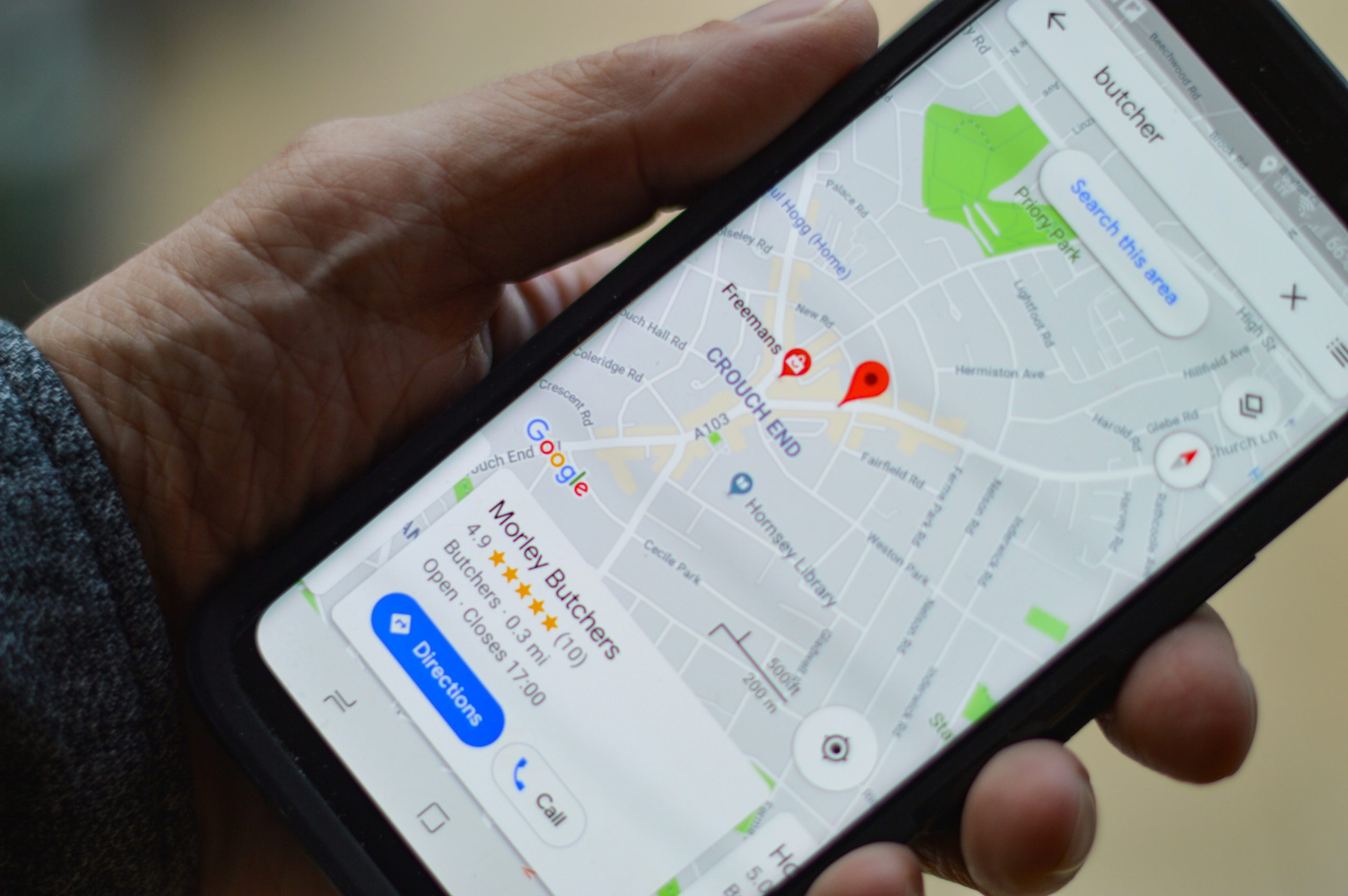
Ever wondered how survey apps manage to deliver tailored questions that seem to know your preferences? A big part of that magic lies in location tracking. In this article, we’ll dive into how location tracking works in survey apps, why it matters, and what you should keep in mind if you’re looking to earn money through these platforms.
Many people start with surveys because they’re easy to access, then gradually move on once they realise earnings are capped by availability and fixed payouts.
If you’re wondering what that next step usually looks like, this page breaks it down → See how it works.
Location Tracking In Survey Apps: The Quick Overview

What is Location Tracking in Survey Apps?
Location tracking in survey apps refers to the technology used to determine your geographic position, often using GPS or Wi-Fi signals. Many survey apps utilize this feature to deliver location-specific surveys that can provide more relevant data for businesses looking to understand consumer behavior in various regions.
But why should you care? If you’re spending your precious time on surveys, it’s key to know that location tracking can significantly affect the types of surveys you receive and, in turn, your earning potential. The more relevant the survey, the more likely you are to complete it and earn rewards.
How Does Location Tracking Work?
In most cases, when you download a survey app and grant it permission to access your location, you’re allowing it to collect data continuously or at certain intervals. Here’s how it typically works:
- GPS Signals: Your device uses Global Positioning System satellites to pinpoint your location accurately.
- Wi-Fi Positioning: Apps can also determine your location through nearby Wi-Fi networks, even when GPS is unavailable.
- Cell Tower Triangulation: For basic location estimates, your phone can use signals from nearby cell towers.
Once an app identifies your location, it can push surveys relevant to your area. For example, if you’re in a tourist hotspot, you might receive surveys related to local attractions or restaurants. But there’s a catch: not all surveys will be high-paying, so be prepared for a mix of low and high-value tasks.
Why Does It Matter for Earning Potential?
You’re not here just to fill out surveys; you want to make some cash, right? Location tracking can be a double-edged sword. On one hand, it can increase your chances of receiving more surveys tailored to your demographic. On the other hand, it might lead to getting screened out of certain surveys if you don’t fit the specific criteria they’re looking for.
For instance, if you live in a rural area, there may be fewer surveys available compared to someone in an urban setting. In this sense, location tracking can either boost your earning potential or limit it based on your surroundings. You need to weigh your options carefully.
Privacy Concerns and Data Usage
Let’s get real: we live in a world where privacy is a hot topic. When you allow location tracking, you’re essentially giving apps access to data about where you are and where you go. It’s crucial to understand how this data is used:
- Anonymous Data Collection: Many apps claim to anonymize your data, but there’s always a risk involved.
- Data Sharing: Some survey companies may share your location data with third parties, which you might not be comfortable with.
- Opting Out: If you’re not okay with sharing your location, you often have the option to opt out, but that may reduce the number of surveys you receive.
So, if you’re serious about making money but wary of privacy issues, weigh the benefits against the risks. You might find that the trade-off isn’t worth it for you.
Possible Scenarios: When Location Tracking Pays Off
Let’s say you’ve just downloaded a survey app that uses location tracking. You’re sitting at a café in a bustling city, and within minutes, you receive a notification for a survey about local dining experiences. That’s a win! You complete the survey quickly and earn a decent payout. This scenario illustrates how location tracking can lead to opportunities that are more relevant and potentially more lucrative.
On the flip side, if you were in a small town, you might receive a survey that only caters to urban dwellers, and—guess what—you’d get screened out. So, while location tracking can provide tailored opportunities, it’s not a guaranteed ticket to easy cash.
Tips for Maximizing Earnings with Location Tracking
If you decide to dive into survey apps that utilize location tracking, here are some tips to maximize your earnings:
- Enable Location Access: If you’re comfortable, keep your location services on to receive more surveys.
- Check Frequency: Open the app regularly; some high-paying surveys are time-sensitive.
- Be Aware of Your Area: Understand what types of surveys are common in your location to set your expectations.
- Use Multiple Apps: Don’t limit yourself to one survey app; more apps can mean more earning opportunities.
Remember, these strategies won’t make you rich overnight, but they can help you optimize your time and efforts when using location-based survey apps.
Conclusion: Is Location Tracking Worth It?
In the end, location tracking in survey apps can enhance your earning potential by delivering more relevant surveys. However, it’s important to stay aware of privacy concerns and the limitations based on your geographic area. If you’re looking for some extra cash and are comfortable with the trade-offs, utilizing these apps might just be the right side hustle for you.
Whether you’re in a busy city or a quiet town, understanding how location tracking works can help you make the most of your survey-taking experience. Just remember, while these apps can fill your pockets with a bit of extra change, they’re not going to replace your primary income. Treat them as a stepping stone in your journey to financial freedom.